

This method smooths out price fluctuations, providing a stable cost basis for inventory valuation. It’s particularly useful for wineries with large volumes of similar products, as it simplifies the accounting process while still offering a reasonable approximation of inventory value. Crafted ERP Winery Software is the only all-in-one planning solution built specifically for the winemaking industry. It combines vineyard management, production, blending, bottling, inventory, demand planning, sales, and CRM into one system.
Winery-Specific Financial Analysis

A strong, industry-focused tax strategy can help identify potential tax opportunities to take advantage of areas where you could reduce your tax exposure. To avoid this situation, make sure you Grocery Store Accounting understand and are using parent accounts and subaccounts to group your accounts in a logical manner. We provide personalised recommendations based on your activity on our platform.
Accounting for Vineyards and Wineries (#
Records must be kept for loss, leakage, and voluntary destruction quantities, because no tax will be charged on those amounts. Attempting to avoid payment of excise taxes for any reason, including the falsification of production levels or loss amounts, can result in the revocation of a winery’s permit. Winery accounting software simplifies TTB reporting and ensures compliance with complex adjusting entries state and federal regulations. It automates the process of generating and submitting reports and reduces the risk of costly penalties. From production to sales and inventory, we understand the complexities of winery technology. We analyze if system integration makes sense or create workflows to ensure your platforms work seamlessly together.
Develop Strategic Tax Planning
- They’re often tied to your distributor or retailer achieving specific sales goals.
- Employees and nonemployees alike should be trained about the benefits of sharing information about any irregularities of which they are aware.
- These transfers necessitate additional documentation on the kinds of wine and alcohol content, volume of each type of wine, as well as varietal, vintage, and appellation of origin.
- Our Team is happy to schedule a call to learn more about your needs and find a plan that’s right for you.
- This is an issue at month-end, when the winery is closing its books, since distributors may not report back about the number of cases sold for several weeks.
- Before starting operations, businesses must first get an operating license.
Liability accounts start with the most current (the ones you have to pay soonest) and move to the more long-term liabilities. We also like to list out rent accounts separately, one for each property or building we are renting. We keep separate accounts for each type of interest we are paying and title the accounts appropriately. This makes it easier to check that we have posted the correct amount of interest paid year-to-date on each loan.
- Winemaking costs vary considerably because of the variations in varietal production processes and aging requirements.
- Running a vineyard or winery involves more than just cultivating grapes and producing wine; it requires meticulous financial planning and strategic accounting.
- These include support for TTB regulations, vineyard management, wine production and financial management.
- Of these four steps, the crush and bottling phases are quite short, while the other two can be very long.
- Wineries are always being asked to contribute their wine to charity auctions.
- But between your time out with your vines, crushing grapes, or talking with customers in the tasting room about your new Cabernet Sauvignon or Pinot Noir, there can be little time for reading about tax laws.
- Leverage the power of IT solutions to help boost your operational efficiencies through access to comprehensive, synchronous views of your entire business.

The excise tax due, which is primarily based on the wine’s alcohol content, is computed at the end of the production process and must be paid, regardless of whether the wine is sold or given away. Small domestic producers (less than 250,000 gallons annually) can receive credits against the excise tax due. Whether you need help managing your business’s finances, bookkeeping services, tax services, or making sound investment decisions, we have the business consulting expertise and experience to get the job done. We believe in personalized service which means building strong relationships with our clients.
Your winery deserves a better bookkeeping system
- In short, this course is an essential desk reference for anyone engaged in the accounting for a vineyard or winery.
- These tools track the ROI of each product, guiding owners on which wines to prioritize and how to allocate resources.
- Industry consolidation, competition, direct-to-consumer sales strategies, and risks around smoke exposure and climate change are rapidly shifting the wine industry landscape.
- Optimize your vineyard or winery’s financial health with effective accounting strategies tailored to the unique challenges of the industry.
- For example, don’t create a “tasting room rent” expense if you are not renting tasting room space.
- Accounting, at its foundation, is a process of organizing financial information.
The simplest way to account for these donations is not to do anything at all. The donated bottled are just not in stock at the next physical inventory count, so they’re charged to the cost of goods sold at the end of the month. With thoughtful use of classes and tags, you’ll gain an unprecedented understanding of what drives your winery’s financial success. An accrual is an accounting entry that records income you’ve earned but haven’t received, or an expense you’ve incurred but haven’t paid.
Audit, Reviews & Reports
Our expertise in winery accounting empowers you to make the most of your financial data. Classes and tags in QuickBooks Online (QBO) accounting software give you X-ray vision into your winery’s finances. Over time, they reveal winery accounting hidden insights that lead to smarter business decisions. From the first tender shoots in the vineyard to the satisfying pop of a cork, your winery embodies passion and hard work. With all the love and effort you put in, wanting to make a profit goes without saying. Accurate financial management is fundamental to running a thriving wine business.
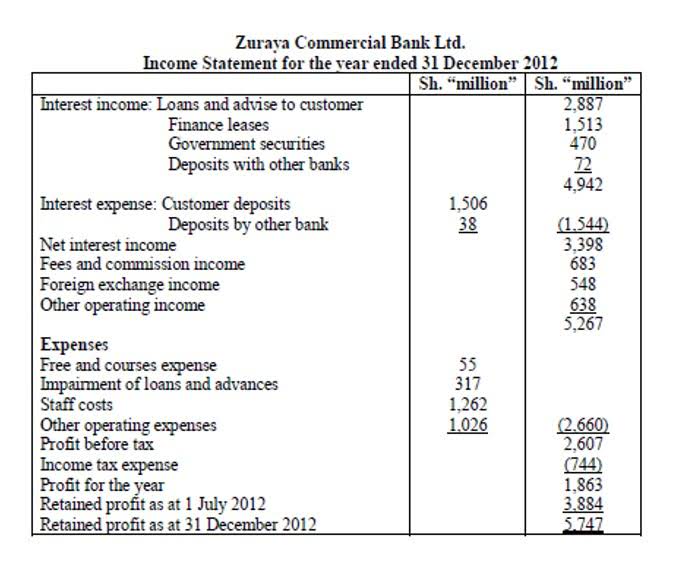
Revenue/Income accounts
This year will be even more beneficial for business owners selling wine. In 2018, the Craft Beverage Modernization and Tax Reform Act was passed, giving wineries in the United States much-needed tax breaks. The Tax Cuts and Jobs Act of 2017 also introduced several tax benefits that will impact the wine industry.